COMMUNITY & LEADERSHIP · OCTOBER 2026
Beyond Business: What a Community Halloween Event Taught Me About Leadership
Leadership is often discussed in the context of business performance, organizational strategy, and professional advancement. Those areas matter, but some of the most valuable leadership lessons happen outside the workplace.
For me, helping organize the Filipinos in Roseville Halloween community event was an opportunity to apply my experience, relationships, and leadership skills to something that directly benefited the community.
On October 24, 2026, families, volunteers, sponsors, local businesses, and community members gathered at Aitken Park in Lincoln, California. The event included food, costumes, activities, entertainment, and prizes. Behind the scenes, making that experience possible required planning, coordination, communication, and a willingness to solve problems as they arose.
Why Community Leadership Matters
My involvement with Filipinos in Roseville did not begin with this project. I had previously supported community events and seen how contributions of time, money, and personal effort could help organizers bring people together.
That experience shaped my decision to focus my EXEC 302 Better Community: Better World Project on the Halloween event.
I wanted to do more than observe leadership or write about it in an assignment. I wanted to participate in an initiative where collaboration and resource coordination could produce a visible community benefit.
I also recognized that professional relationships can have value beyond business transactions. The same ability to build connections, communicate with people, and identify resources can help a community organization accomplish its goals.
Turning Planning Into Action
A community event may look simple to an attendee. People arrive, enjoy the activities, eat, and spend time with friends and family. The organizing team sees a different picture.
Planning involved discussions about tables, chairs, utensils, food, beverages, expected attendance, registration, sponsors, activities, and prizes. We also had to consider how responsibilities would be distributed and how the different pieces would come together on event day.
Our coordination continued through Facebook Messenger after meeting in person. This allowed the team to continue discussing logistics and addressing questions as the event approached.
My contribution included helping connect my professional business network with the organizers and helping secure sponsorships and other resources. I learned that one person’s contribution does not need to cover every requirement. It can be more effective to connect people and resources so the team can accomplish more together.
The sponsor and donor list contained 17 entries. This provided one concrete indication of the support assembled for the event.
When Plans Change, Leadership Matters
Even with preparation, events rarely unfold exactly as planned.
One example involved the supplies needed for the planned mummy-wrapping contest. When those materials were unavailable, the organizers had to adapt and shift toward a children’s costume fashion show.
Parking also presented a challenge when police asked some attendees to move their vehicles.
Neither situation erased the value of the event, but both highlighted areas where planning could improve. A supply checklist, an assigned person responsible for activity materials, backup activities, and clearer parking instructions could help prevent similar problems in the future.
The experience reinforced a practical lesson: effective leadership is not about pretending everything will go according to plan. It is about recognizing problems, communicating with the team, and finding a workable path forward.
The Community Impact
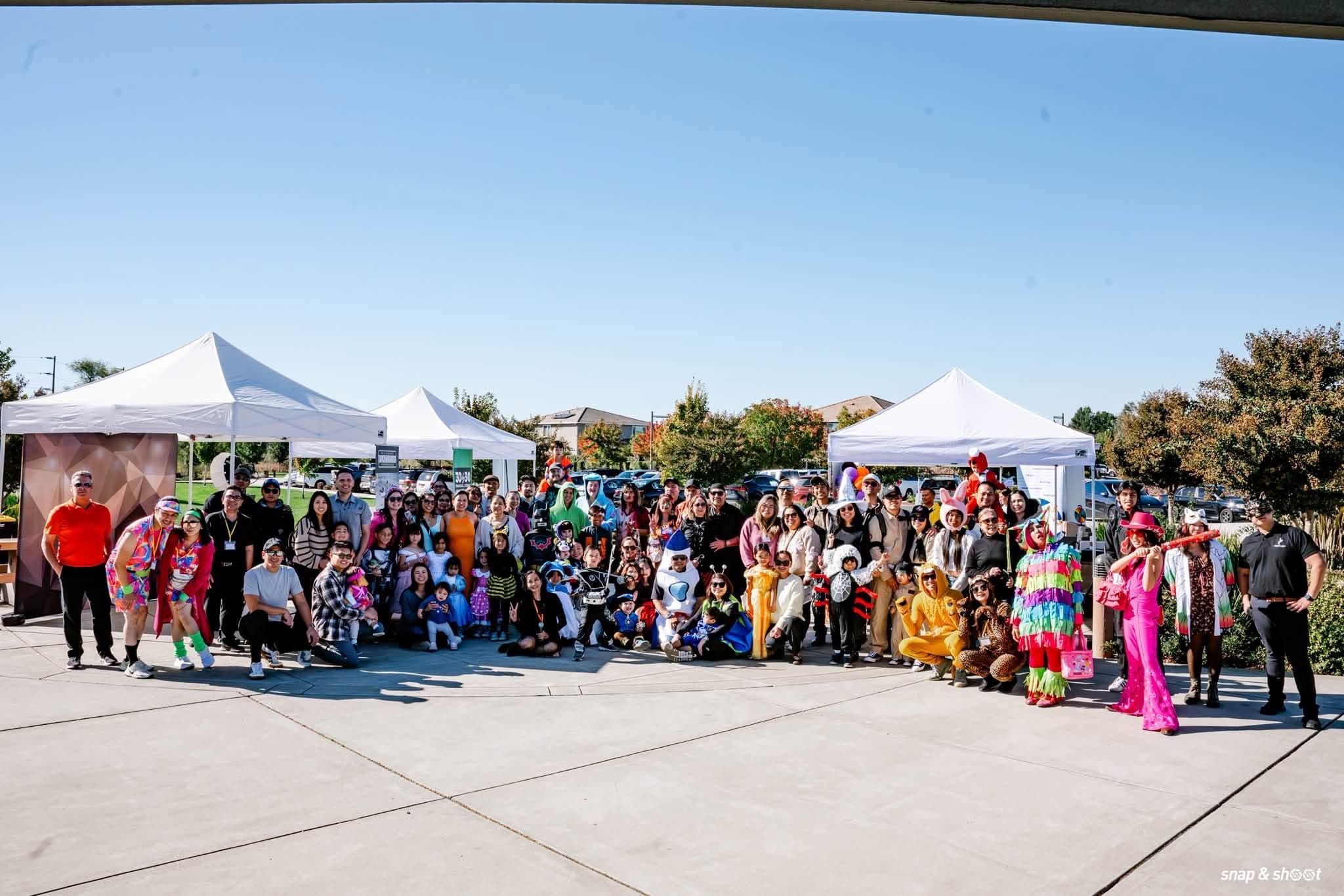
The event drew an estimated 125 to 150 attendees. Because we did not have a formal attendance count, this figure should be understood as an estimate.
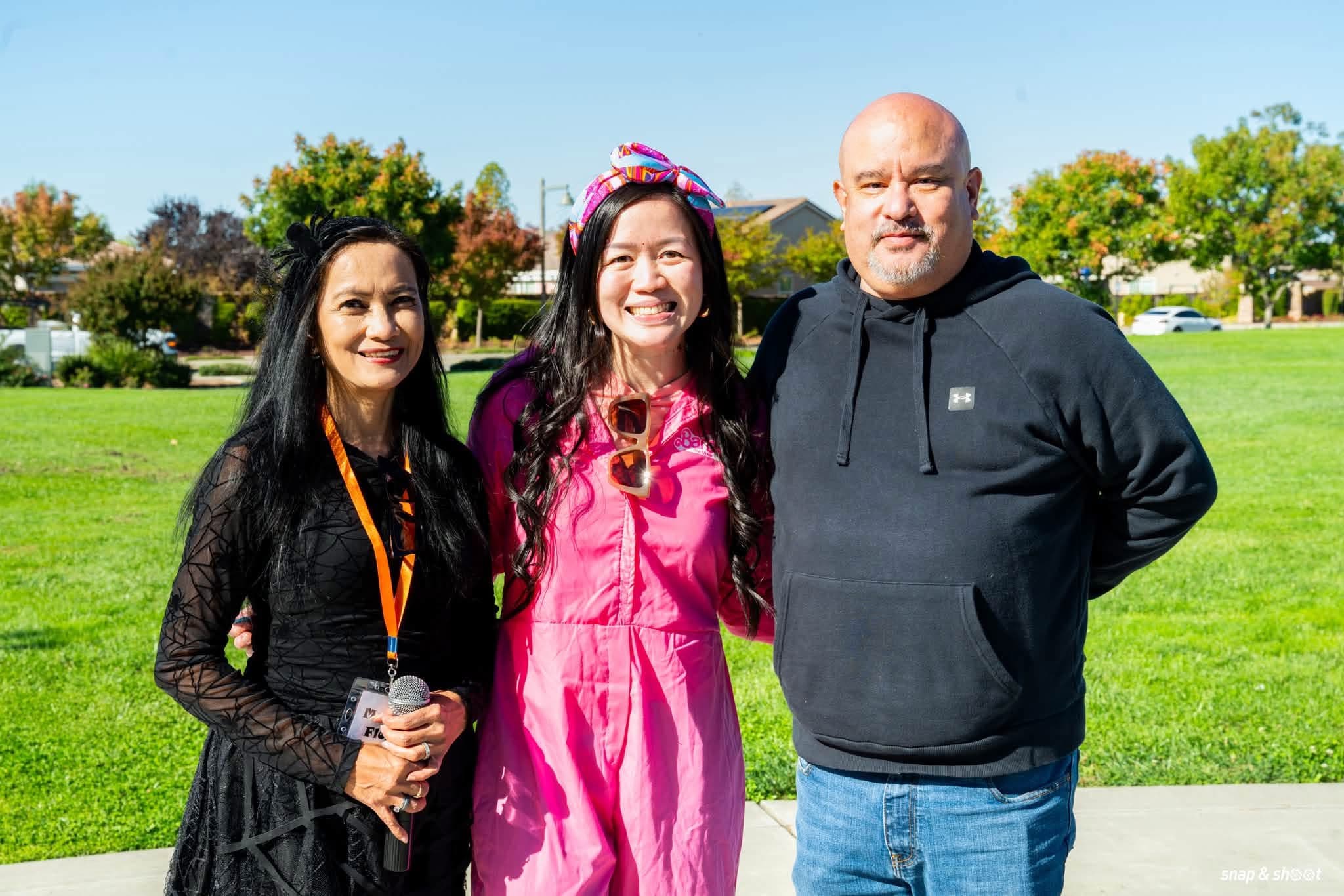
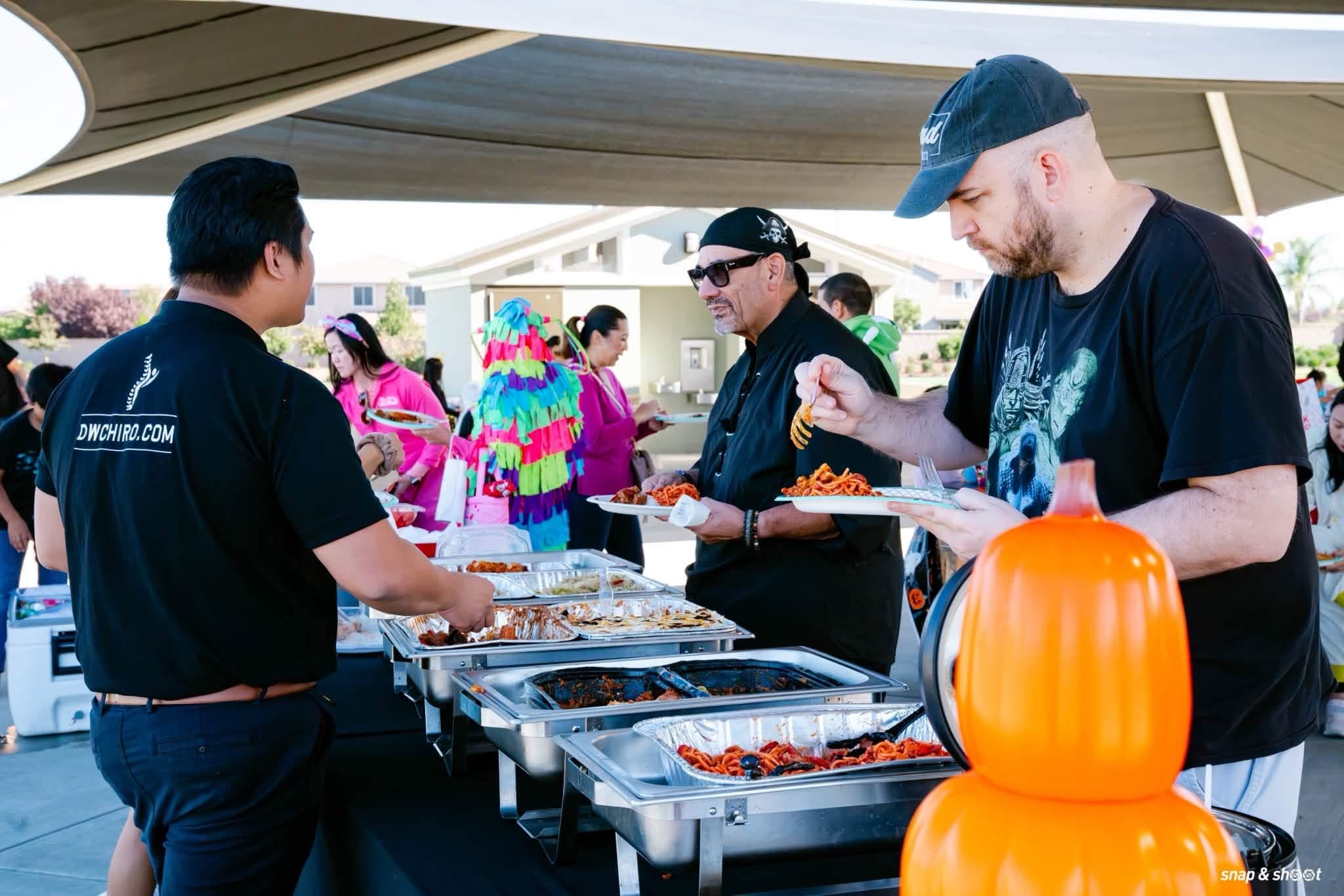
Photographs from the event show the organizing team, a large group of attendees, activity areas, and people sharing food. Together, these images document the community participation that made the event meaningful.
The response from the organizing team was also encouraging. After the event, team members shared positive messages in Facebook Messenger, including, “Very successful event.”
These messages were informal feedback rather than the results of a formal participant survey. Even so, they provided evidence that the organizers felt positive about the outcome.
The impact was not limited to the activities themselves. The event created an opportunity for families to spend time together, volunteers to contribute, local businesses to support a community initiative, and organizers to build on their existing relationships.
Community projects can produce value through these connections as well as through the immediate experience they provide.
What I Learned About Leadership
My biggest lesson was that leadership is often exercised through influence rather than authority.
I did not need to control every part of the event to make a meaningful contribution. I could help by connecting people, supporting the organizers, participating in planning, and contributing resources that helped the team move forward.
I also learned that successful collaboration requires attention to details. A strong network is valuable, but the team still needs clear responsibilities, reliable communication, and practical systems for managing supplies and logistics.
The experience gave me several specific ideas for future events:
- Create a written inventory of required supplies.
- Assign responsibility for each activity and major logistical task.
- Establish backup plans for activities that depend on specific materials.
- Provide clear parking and arrival instructions.
- Track registrations and attendance more consistently.
- Gather structured feedback from participants after the event.
These improvements would help the organizing team retain what worked while addressing the problems that surfaced.
Applying the Lessons Beyond This Event
The leadership skills used in community projects are relevant to professional environments, too. Businesses depend on relationships, communication, resource allocation, planning, and the ability to adapt when conditions change.
My experience reinforced the importance of bringing those capabilities together. Whether the objective is to support a community event or help a business improve its operations, the underlying challenge is similar: identify the goal, bring the right people together, coordinate the work, and respond constructively to obstacles.
The project also reminded me that leadership should produce value for others. The objective was not simply to complete a course requirement. It was to participate in an initiative that created an enjoyable community experience.
I am grateful to the organizers, volunteers, sponsors, donors, local businesses, and families who contributed to the event. Their collective efforts made the project possible.
The most important takeaway is straightforward: leadership is not just what you accomplish individually. It is what you help other people accomplish together.
The Halloween event was one example of what can happen when people contribute their time, relationships, resources, and energy toward a shared purpose. It also gave me practical lessons I can carry into future community initiatives and my professional life.
Photography: Snap & Shoot
Back to Perspectives